Unpacking art through histories, archives, collaboration, curating, design, music, and collective memory.
Spring Is Rebellious: The Art & Life of Albie Sachs is a tribute to Albie Sachs, former Constitutional Court Justice, political activist, writer, public intellectual and humanist. Running from 24 July 2025 to 23 August 2026, the exhibition explores histories of resistance to colonial oppression in South Africa and Mozambique before turning to the complex conditions of liberation and transformation.
The symposium expands upon several of the exhibition’s central themes, revisiting key moments in Southern African art history and considering the pedagogical approaches developed through Zeitz MOCAA’s education programme. It will also examine the three collections whose holdings form the exhibition’s foundation and, in whose development, Albie Sachs played an instrumental role.
The programme includes a conversation on the intersection between curatorial practice, exhibition design and educational pedagogy, reflecting on the collaborative processes that shaped the exhibition.
The symposium concludes with a panel discussion revisiting Sachs’s seminal 1989 paper, ‘Preparing Ourselves for Freedom’, later published in the 1991 volume Spring Is Rebellious: Arguments about Cultural Freedom, from which the exhibition takes its title. The discussion considers the enduring relevance of Sachs’s ideas to contemporary cultural practice and public life.
Date & Time
Saturday, 22 August 2026 | 10 am–7:30 pm
Venue
Zeitz MOCAA, Ocular Lounge, Level 6
Entry
Access with standard museum admission of R265 per person.
Free to Zeitz MOCAA members on presentation of valid membership.
Programme
10:10 am–11:25 am: What can Art Education do?
11:30 am–12:30 am: Panel 1: Art, History & Liberation in Southern Africa
1:30 pm–2:30 pm: Panel 2: Working with Art Collections and Collaborating across Institutions
2:45 pm–3:45 pm: Panel 3: From Concept to Form, the Multifaceted Elements of Exhibition Making
2:45 pm–3:45 pm: Panel 4: Art and Societal Revolution
6:20 pm–7:15 pm: A Journey through Sound by Attiyah Khan
Meet the Participants
Albie Sachs
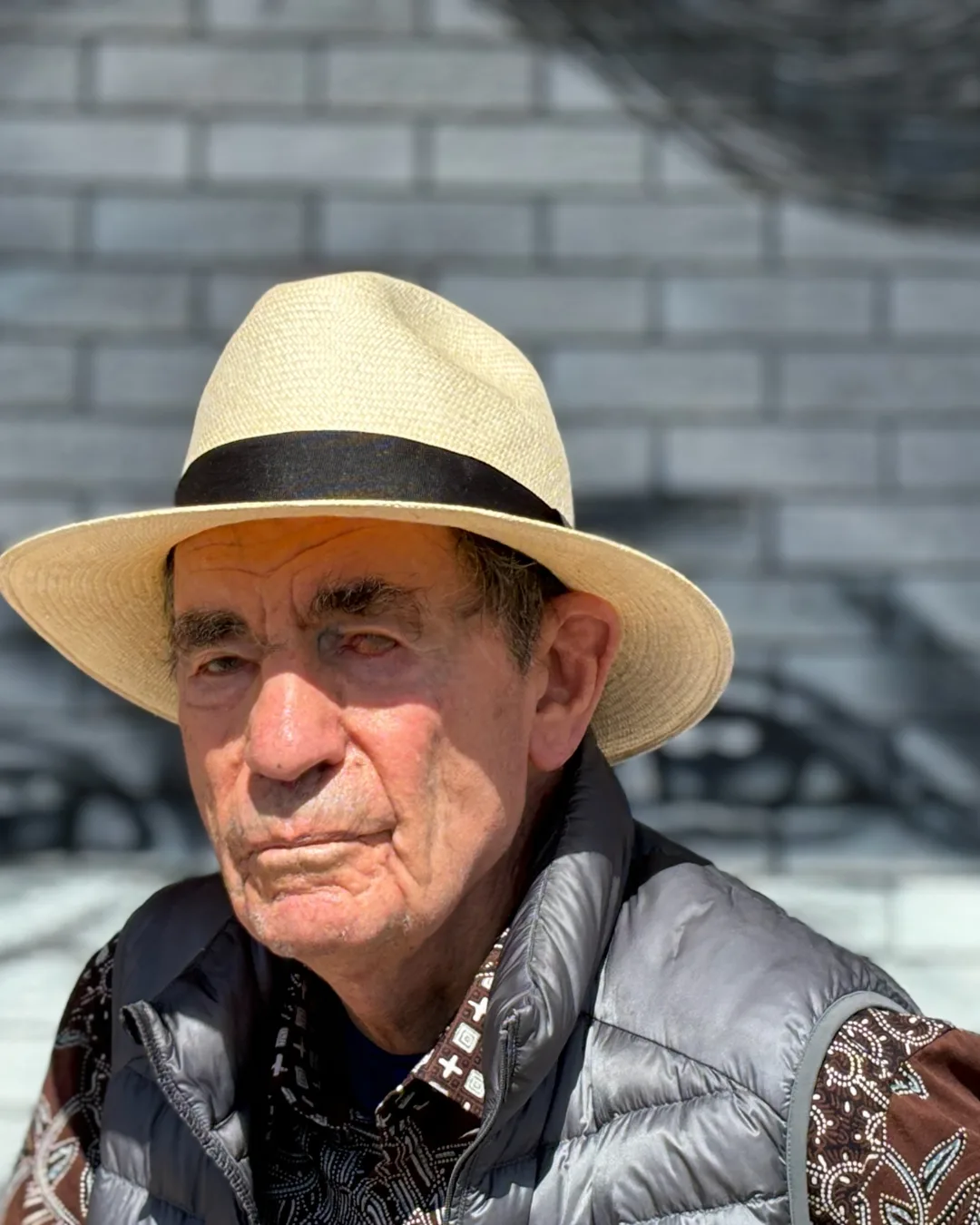
Albie Sachs in front of the Dulcie September mural at
Dulcie September Hall in Athlone. Photo ©Carolyn Parton.
Albie Sachsis an activist, writer and former judge on the Constitutional Court of South Africa (1994 – 2009). He completed his BA LLB at the University of Cape Town in 1956 and started practicing as an advocate at the Cape Bar at the age of 21. The bulk of his work involved defending people charged under racist statutes and repressive security laws. Sachs himself was raided by the security police, subjected to banning orders restricting his movement, and eventually placed in solitary confinement without trial for two prolonged spells of detention.
In 1966, Sachs went into exile in England and completed his PhD at the University of Sussex in 1971. He subsequently moved to Maputo in 1977 to take up a position as a Law Professor at Eduardo Mondlane University. In 1988, a bomb was placed in his car in Maputo by South African security agents. The blast caused him to lose an arm and the sight in his right eye.
During the 1980s, while working closely with Oliver Tambo, the then President of the African National Congress (ANC) in exile, Sachs helped to draft the organisation’s Code of Conduct, as well as its statutes. After recovering from the bomb, he devoted himself full-time to preparations for a new democratic Constitution for South Africa.
In 1990, he returned to South Africa and continued his work on the Constitutional Committee as well as on the National Executive Committee of the ANC. After the first democratic election in 1994, President Nelson Mandela appointed Sachs to serve on the newly established Constitutional Court. Sachs was noteworthy for the writing of his judgments, and for shaping the development and character of the Constitutional Court building and the creation of its renowned artworks collection.
He has published 10 books, including The Jail Diary of Albie Sachs; The Soft Vengeance of a Freedom Fighter and The Strange Alchemy of Life and Law, which both won the Alan Paton Award; Justice in South Africa; Sexism and the Law; We, the People: Insights of an Activist Judge and Oliver Tambo’s Dream.
Sachs has travelled to many countries sharing South African experiences that might help heal divided societies, and remains actively engaged in public life, with a particular focus on sharing his experiences with younger generations.
In January 2025 to mark his 90th birthday, an online resource was launched entitled The Albie Collection – A curated conspectus of the Life, Love, Law, Literature and Laughter of Albie Sachs.
Antjie Krog
Antjie Krog is an Afrikaans poet, writer and Professor Emeritus at the University of the Western Cape. She published thirteen volumes of poetry in Afrikaans of which four volumes were compiled with English translations: Down to my Last Skin (2000), Body Bereft (2006), Synapse (2014) and Pillage (2022). She also published four non-fiction books: Country of my Skull (1998), on the South African Truth and Reconciliation Commission; A Change of Tongue (2004) about the transformation in South Africa after ten years, Begging to be Black (2009) about learning to live within a black majority, and Blood’s Inner Rhyme about her mother as a moribund kind of Afrikaner. Krog has also co-authored an academic book There was this Goat (2009) with two colleagues Prof Kopano Ratele and Nosisi Mpolweni, investigating the Truth Commission testimony of Mrs Notrose Nobomvu Konile. A book of essays was published in 2013 Conditional Tense – Memory and Vocabulary after the South African Truth and Reconciliation Commission as part of Seagull Books’ African List.
‘Country of my Skull’ and ‘A Change of Tongue’ have been nominated by South African librarians (LIASA) as two of the ten most important books written in ten years of democracy. Among the many books she translated into Afrikaans are: Long Walk to Freedom (Nelson Mandela), Captain’s Tiger (Athol Fugard), Mamma Medea(Tom Lanoye), Pied Piper of Hameln (Robert Browning), Koningin Lear (Tom Lanoye), Our Story Magic(Gcina Mhlope), Orpheus (Brett Bailey). She also coordinated the African Pulse series with South African language classics translated into English.
Krog had been awarded most of the prestigious awards for poetry, non-fiction, journalism and translation available in Afrikaans and English in South Africa. Internationally she was awarded the Stockholm prize from the Hiroshima Foundation for Peace and Culture for the year 2000, the Open Society Prize from the Central European University (previous winners were Jürgen Habermas and Vaclav Havel) and the Dutch Gouden Ganzenveer 2018 as well as an Honorary Doctorate from the Tavistock Clinic of the University of East London UK. Her work has been translated into English, Dutch, Italian, French, Spanish, Swedish, Serbian, Arabic and Chinese.
Bahlakoana Lesemane
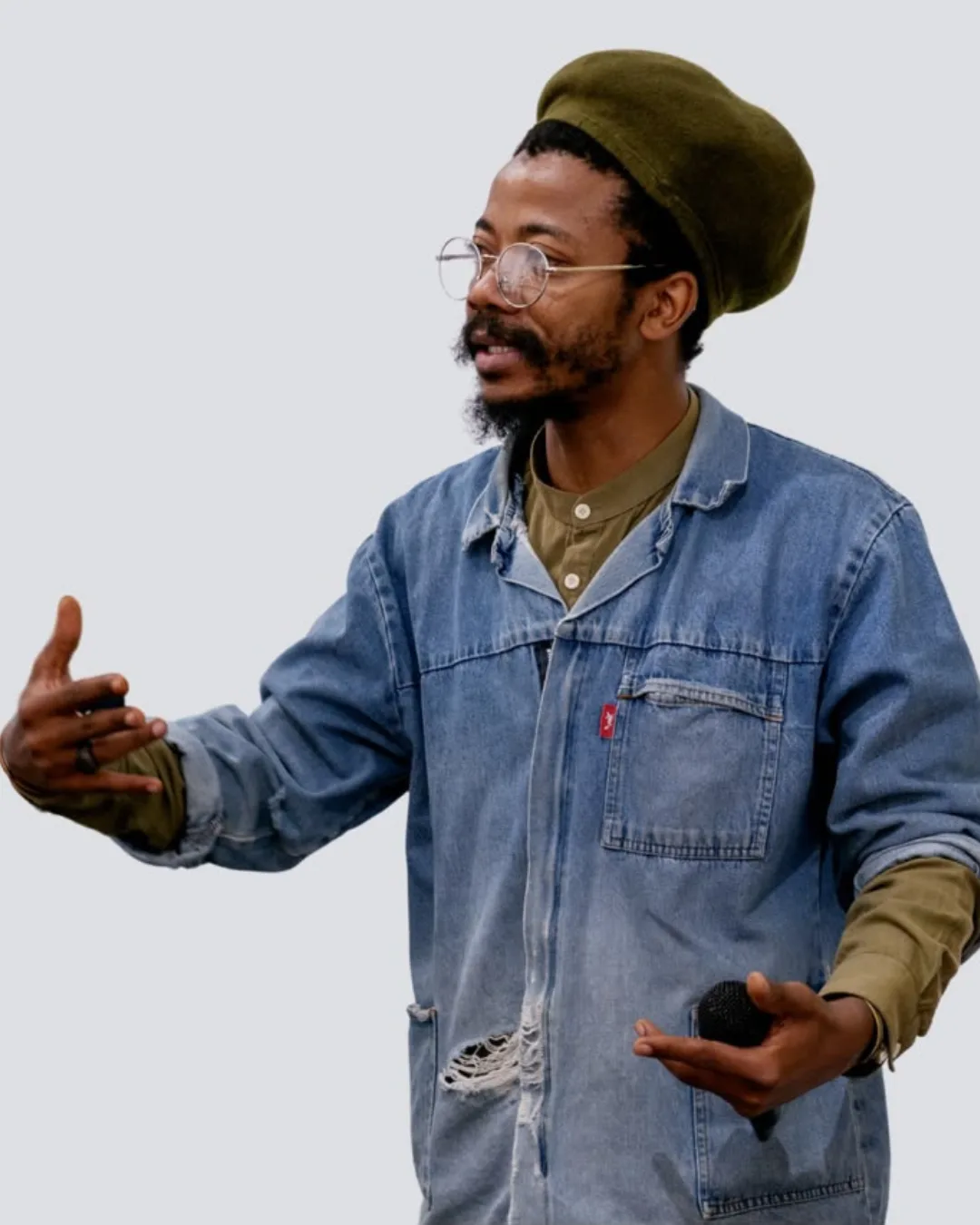
Bahlakoana Lesemane is a curator and collections practitioner with experience across museum collections, contemporary art, conservation, heritage and social justice. He has worked at Museum Africa and the Constitutional Court Art Collection, where he oversaw collection care, conservation, exhibitions, research and documentation. He played a key role in the preparation and management of CCAC’s contribution to Spring Is Rebellious: The Art & Life of Albie Sachs at Zeitz MOCAA. He is currently Curator at Pretoria Art Museum.
Barbara Masekela
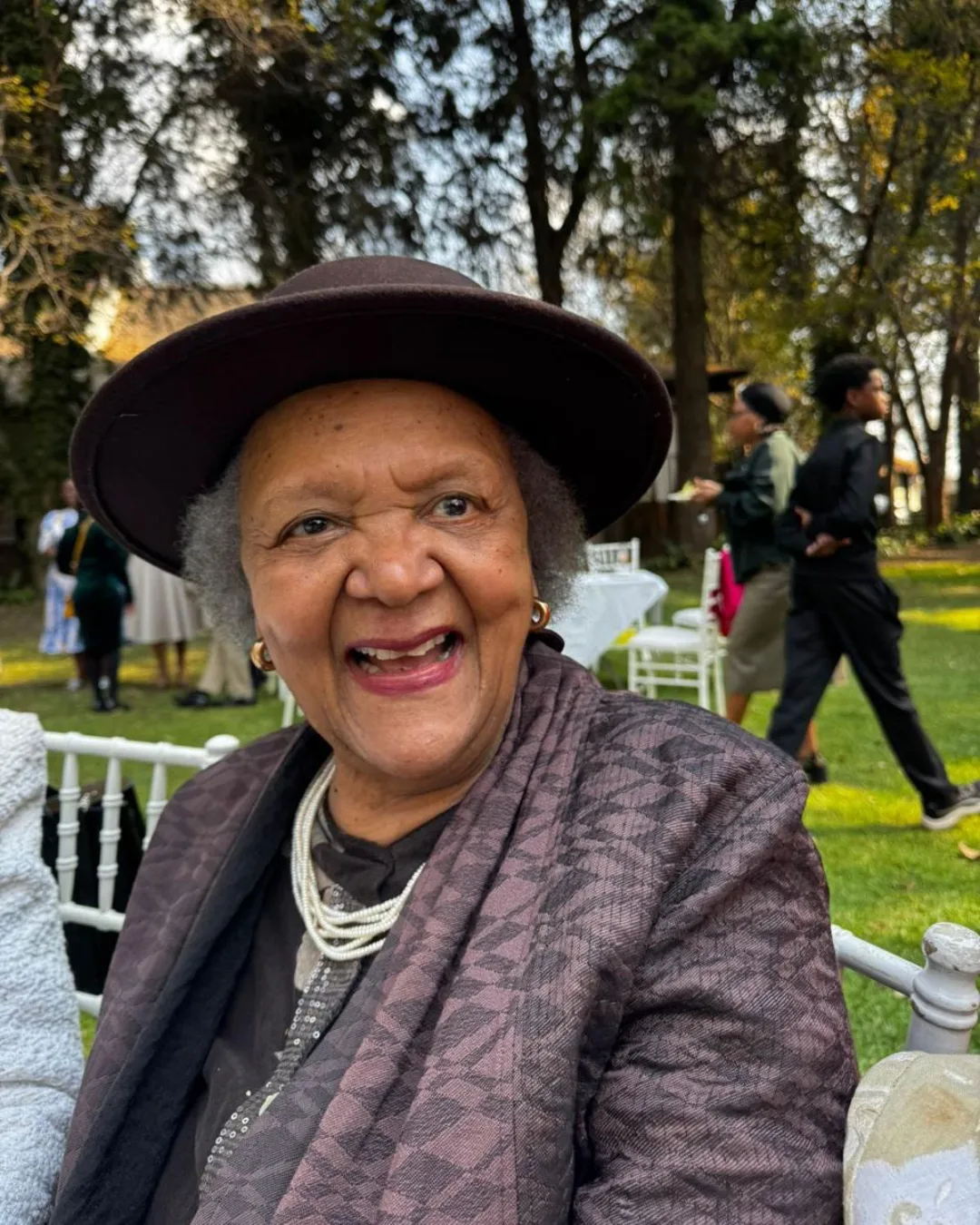
Barbara Masekela is a South African poet, educator and cultural activist whose life spans literature, politics and diplomacy. After heading the ANC Department of Arts and Culture in Lusaka, she served as Chief of Staff in the Office of the President of the African National Congress, Mr Nelson Mandela.
She served as South African ambassador to France in 1995, and the United States in 2003. She has held senior leadership positions at institutions including Standard Bank, the South African Broadcasting Corporation(SABC) and De Beers Consolidated Mines. A founding member of the Johannesburg Women Writers Festival in 2023, Masekela has long championed creative expression as a form of liberation and collective memory. She is the author of Poli Poli (Jonathan Ball Publishers, 2021) and has been awarded honorary doctorates by Rhodes University and the University of Johannesburg.
Carolyn Parton
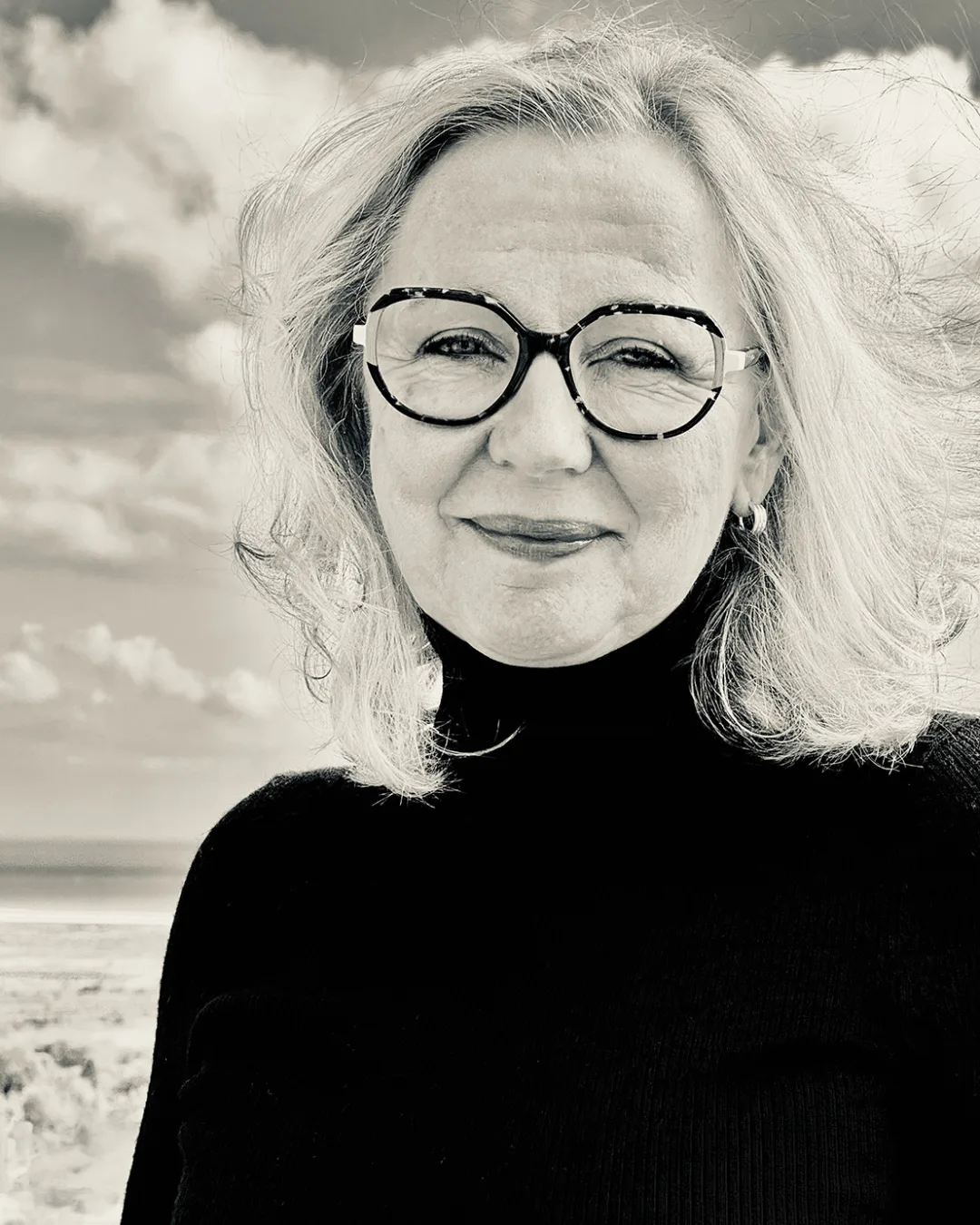
Carolyn Parton is an independent creative practitioner whose interdisciplinary work brings together creative direction, design, curation and writing to translate research and ideas into engaging, imaginative experiences.
Her practice spans cultural projects, visual identities, collections, publications and collaborations, with a particular interest in finding forms that make complex ideas meaningful, accessible and enduring.
Since founding her creative studio in 1992, she has developed projects for cultural, public and private organisations, combining creative enquiry, visual thinking and storytelling.
As Creative Director of The Albie Collection, she has shaped the creative vision, narrative and development of the digital archive exploring the life, work and legacy of Justice Albie Sachs.
Her earlier practice as a visual artist continues to inform an approach grounded in curiosity and careful observation, and in the belief that creativity can be a regenerative force for understanding, connection and new possibilities.
Nomusa Makhubu
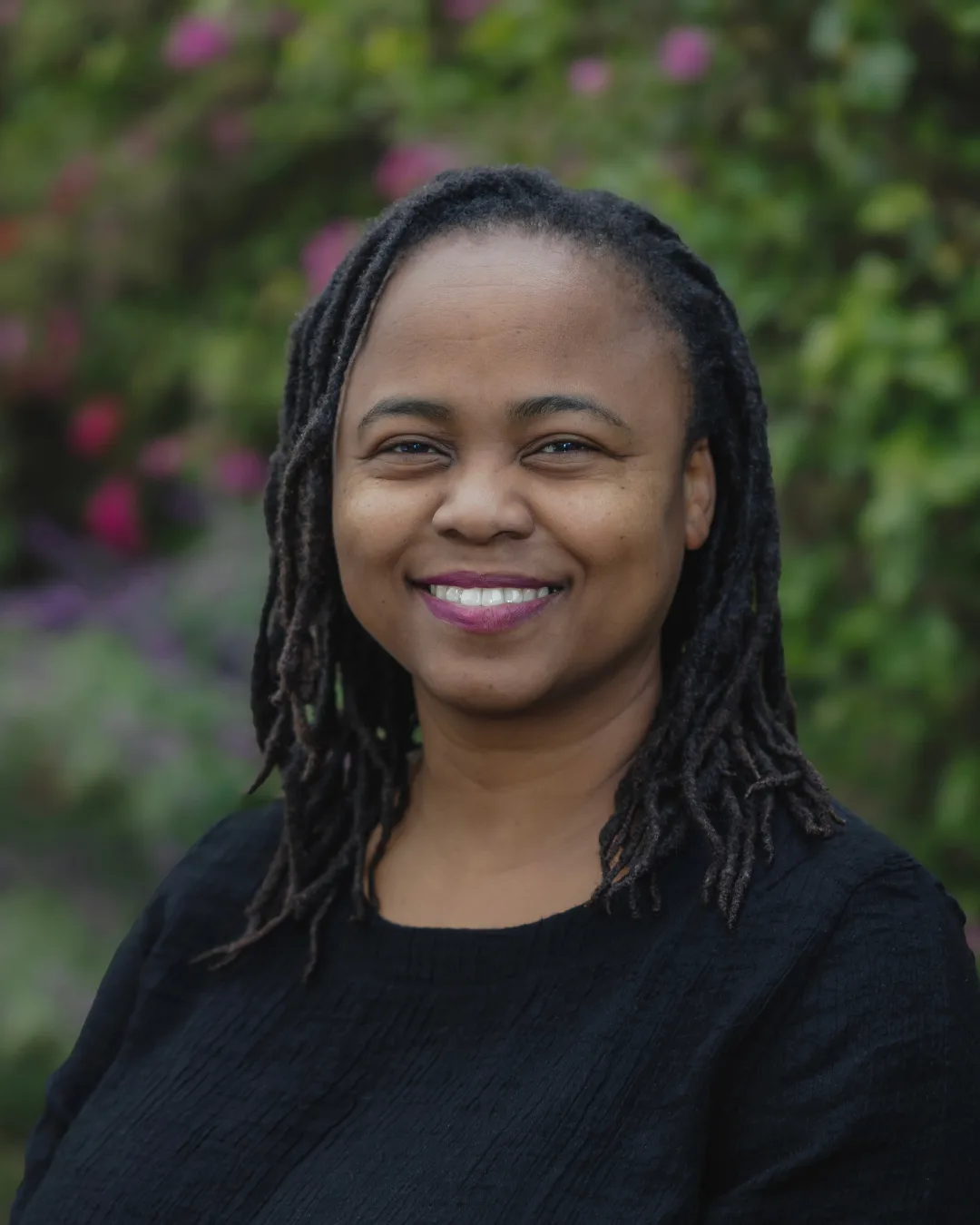
Nomusa Makhubu is a professor in art history at the University of Cape Town. She is the Director of the Institute for Creative Arts (ICA) and founder of Creative Knowledge Resources (CKR) – an open access platform for socially responsive arts. Makhubu was the Deputy Dean for Transformation in the Humanities Faculty at the University of Cape Town (2020-2022). She received the American Council of Learned Societies (ACLS) African Humanities Program fellowship award and was selected to be an African Studies Association (ASA) Presidential fellow in 2016. In 2017, she was a UCT-Harvard Mandela fellow at the Hutchins Centre for African and African American Research, Harvard University. Makhubu has curated various exhibitions and formed part of the curatorial team for the 55th and 58th Venice Biennale in 2013 and 2019, respectively. She has published Creative Books and research papers in peer-reviewed international journals and book volumes.
Thabang Monoa
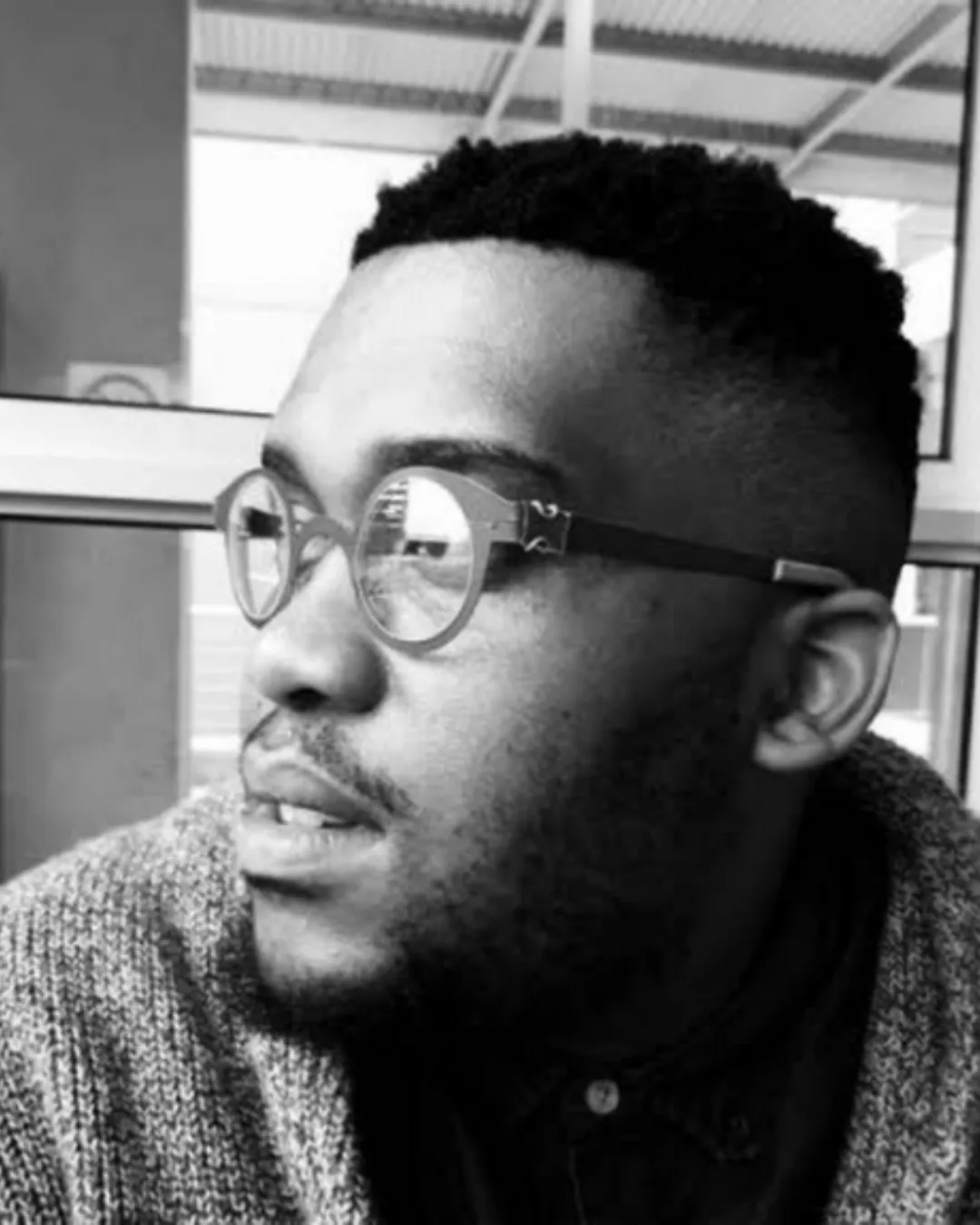
Thabang Monoa’s research interests are embedded in art history, aesthetic theory, art criticism, visual culture, curatorial practice and cultural studies. His doctoral study focused on the notion of Blackness in Afrofuturist aesthetics. Monoa formed part of a cohort of eminent scholars in art history who participated in the CAA-Getty programme in 2023; he is a co-convenor of the Gerard Sekoto Winter/Summer School and the Black Arts Criticism Clinic, which are administered independently through the Johannesburg Art Gallery and The BAG Factory, respectively. In his current capacity as a senior lecturer in art history at the University of Cape Town’s Michealis School of Fine Art, Monoa investigates in his teaching themes that are related to aspects of Black Radical Thought, Black modernism and futurities as they unfold in the artworks of Black South African, and Afro-Diasporic artists.
Gaelen Pinnock
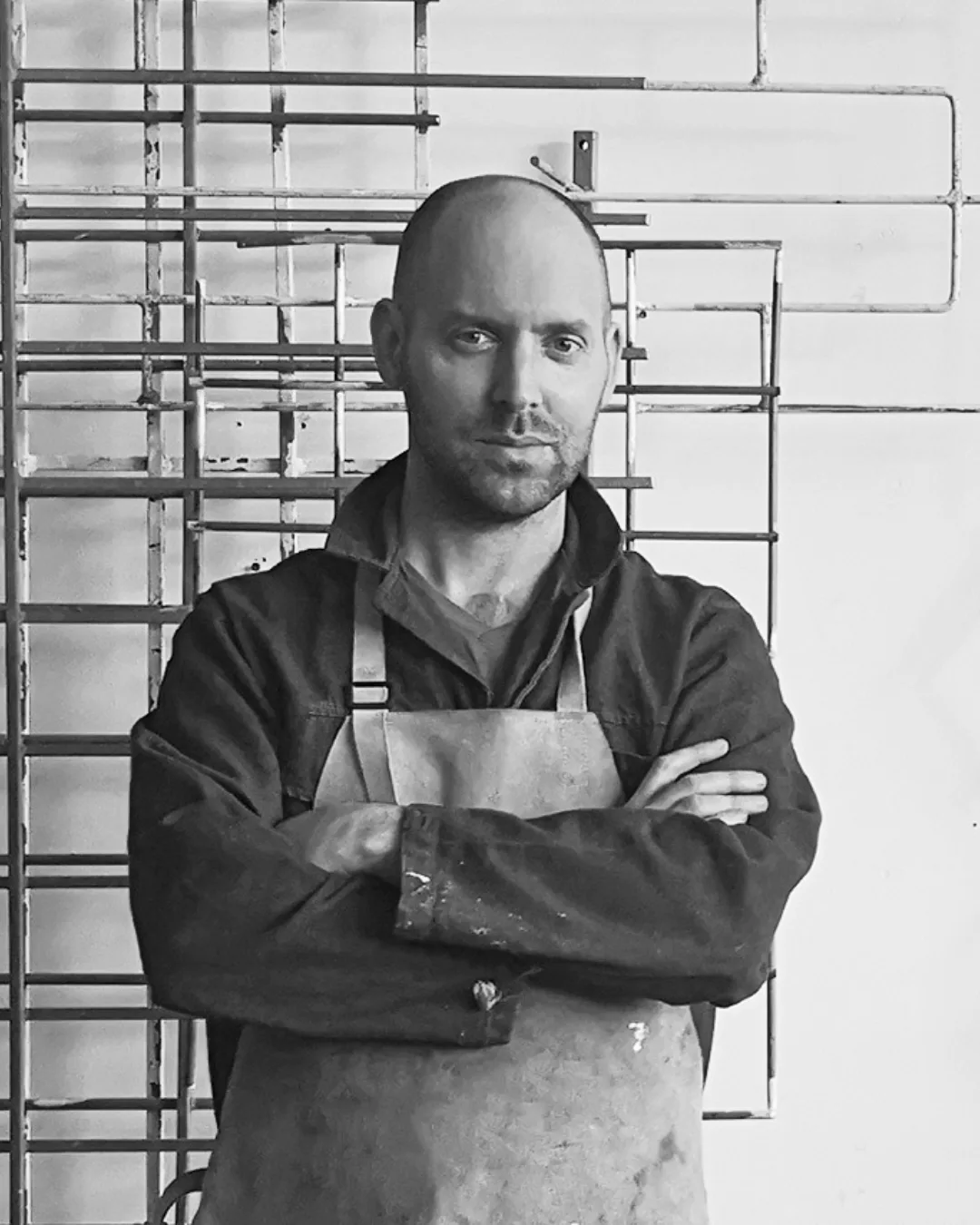
Gaelen Pinnock is an artist, architect and graphic designer based in Cape Town. He designed the timeline in Spring Is Rebellious.
Pinnock runs a design studio called Polygram where he serves universities, research units, publishers, NGOs and civil society organisations, many of them working in urban research, policy development and activism. Through his art practice, he documents power and securitisation in the South African urban landscape. He has exhibited in South African galleries and art fairs.
Mario Pissarra
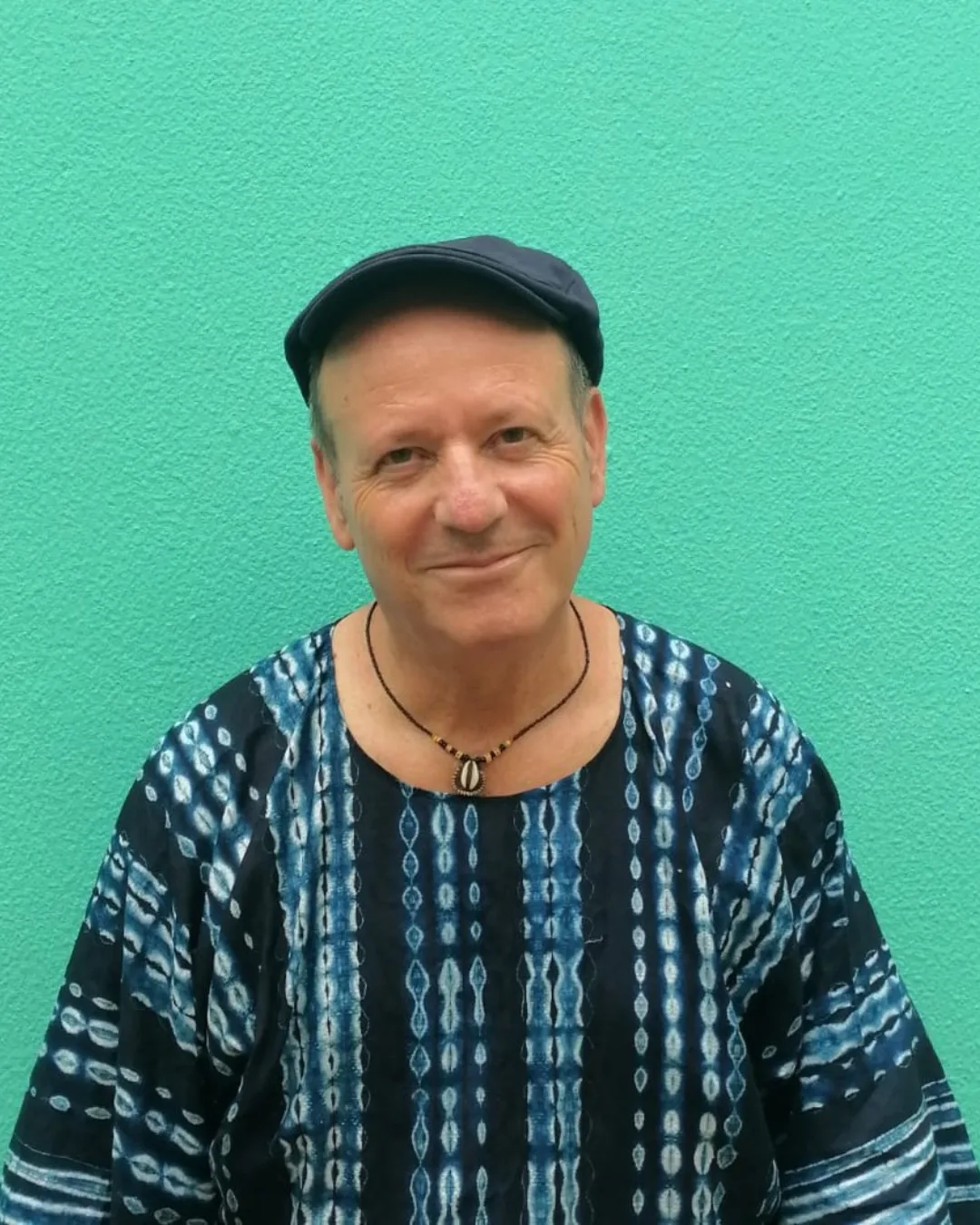
Mario Pissarra is an art historian and director of the Africa South Art Initiative (ASAI), a non-profit company he founded in 2005.
Based at the University of Cape Town and the Durban University of Technology, ASAI is an independent research-based platform that produces digital and print resources on southern African visual arts, alongside developmental programmes for artists, writers and educators. Mario’s work on Mozambican art has focused on Malangatana, within the broader question of decolonial aesthetics.
His work on Mozambican art has focused on Malangatana, within the broader question of decolonial aesthetics.
Julia Kabat
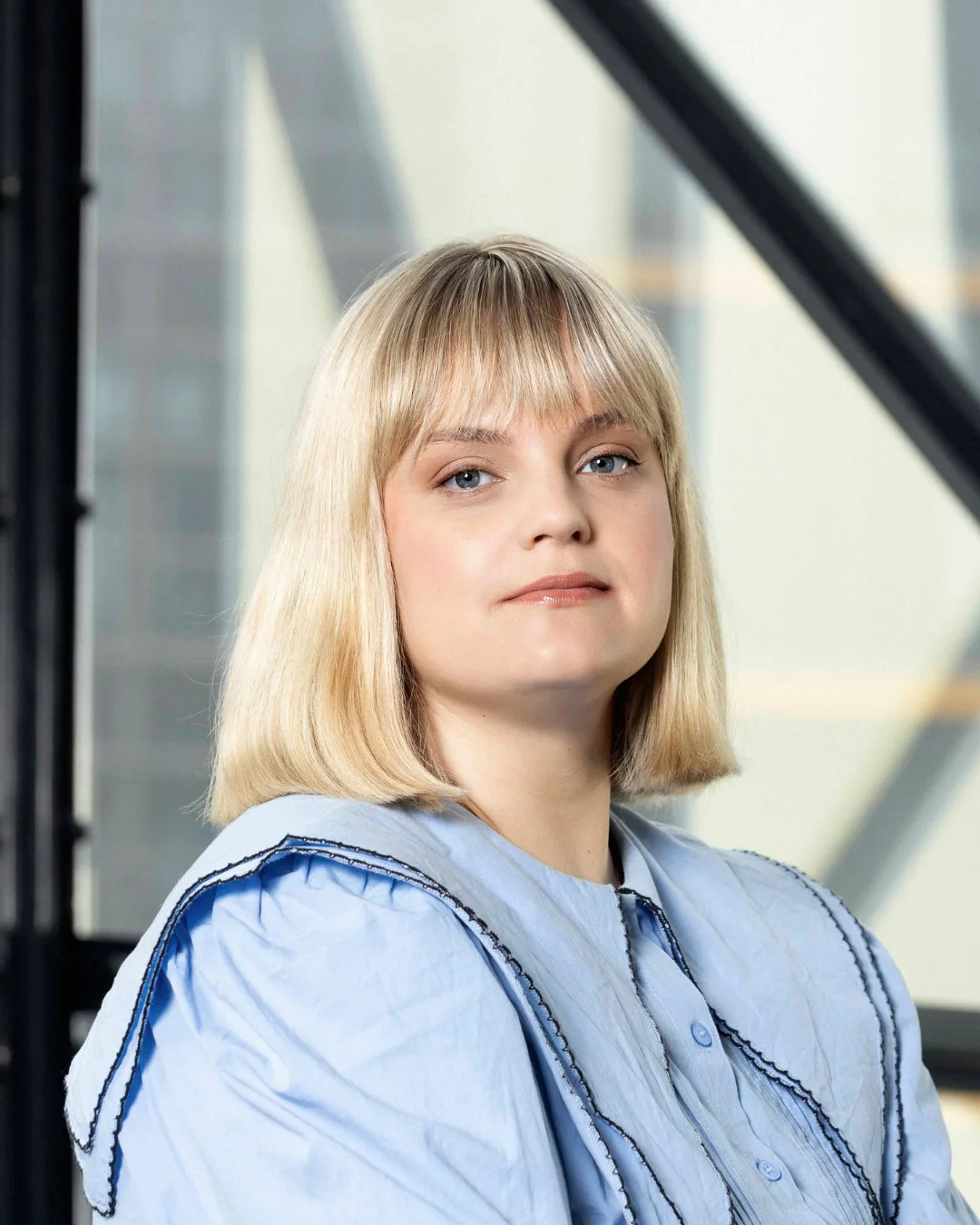
Julia Kabat studied at the Michaelis School of Fine Art, graduating in 2015, before continuing their studies at the Centre for Curating the Archive at the University of Cape Town in
- Shortly thereafter, they joined as Curatorial Assistant for Painting and Sculpture at the Zeitz
MOCAA Museum, later becoming a Curator before transitioning into the role of Exhibitions Manager. This shift allowed them to combine a passion for hands-on creativity and exhibition design with a strong conceptual and curatorial approach.
Over the past nine years, Julia has designed, project-managed, and produced every exhibition presented at the museum. Career highlights include William Kentridge: Why Should I Hesitate, Putting Drawings to Work, a landmark three-floor exhibition at Zeitz MOCAA that later travelled to
Diechtorhallen, Hamburg. Their tenure has also included producing Tracey Rose, Shooting Down Babylon that travelled to Kunsthalle Zurich and When We See Us: A Century of Black Figuration in Painting, which were later hosted by Kunstmuseum Basel, Bozar, Brussels and Lijevachts, Stockholm.
Her exhibition-making practice is grounded in themes of repair, sustainability, and material responsiveness. Through a process that values reuse, adaptability, and thoughtful construction, Julia approaches exhibition design as both a conceptual and practical discipline, one that considers how spaces can hold memory, transformation, and care. Their work reflects an ongoing interest in creating immersive environments that balance aesthetic impact with sustainable methods of production and long-term institutional responsibility.
Lee Burgers
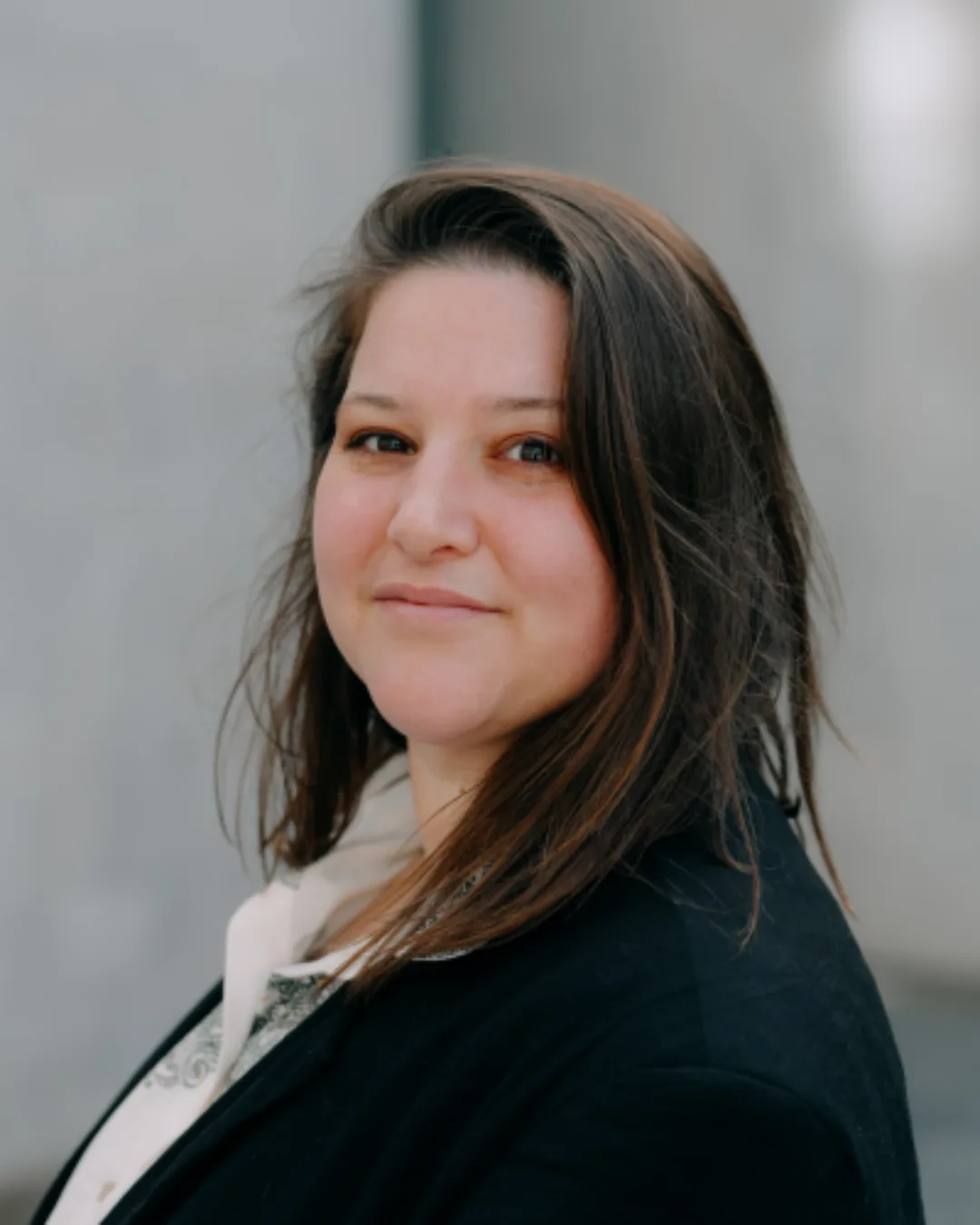
Lee Burgers is Head of Collections and Registrar at Zeitz Museum of Contemporary Art Africa (Zeitz MOCAA). She holds a Bachelor of Fine Arts Degree from Michaelis School of Fine Art at the University of Cape Town (UCT) (2012). Additional qualifications include Certificates for Advanced Operations Management, a Paralegal Practitioner Certificate, Strategic Human Resource Management (UCT) as well as a Certificate in Business Sustainability Management obtained from the University of Cambridge’s Institute for Sustainability Leadership.
Burgers has demonstrated experience in art logistics and project management. She is also an art advisor to private collectors. Between 2016 and 2019, she was Head of Operations at SMAC Gallery where she managed the logistics and artwork production for the three gallery spaces and art fair presentations. In this role she gained an understanding of the conditions of artistic production not only in South Africa, but on the continent. This knowledge deeply informs her current role at Zeitz MOCAA where, since 2021, she has worked closely with the museum’s curatorial team, in the preservation, strategic mediation and care of its unique permanent collection of modern and contemporary art by artists from the continent and its diaspora.
Bengi Rwabuhemba
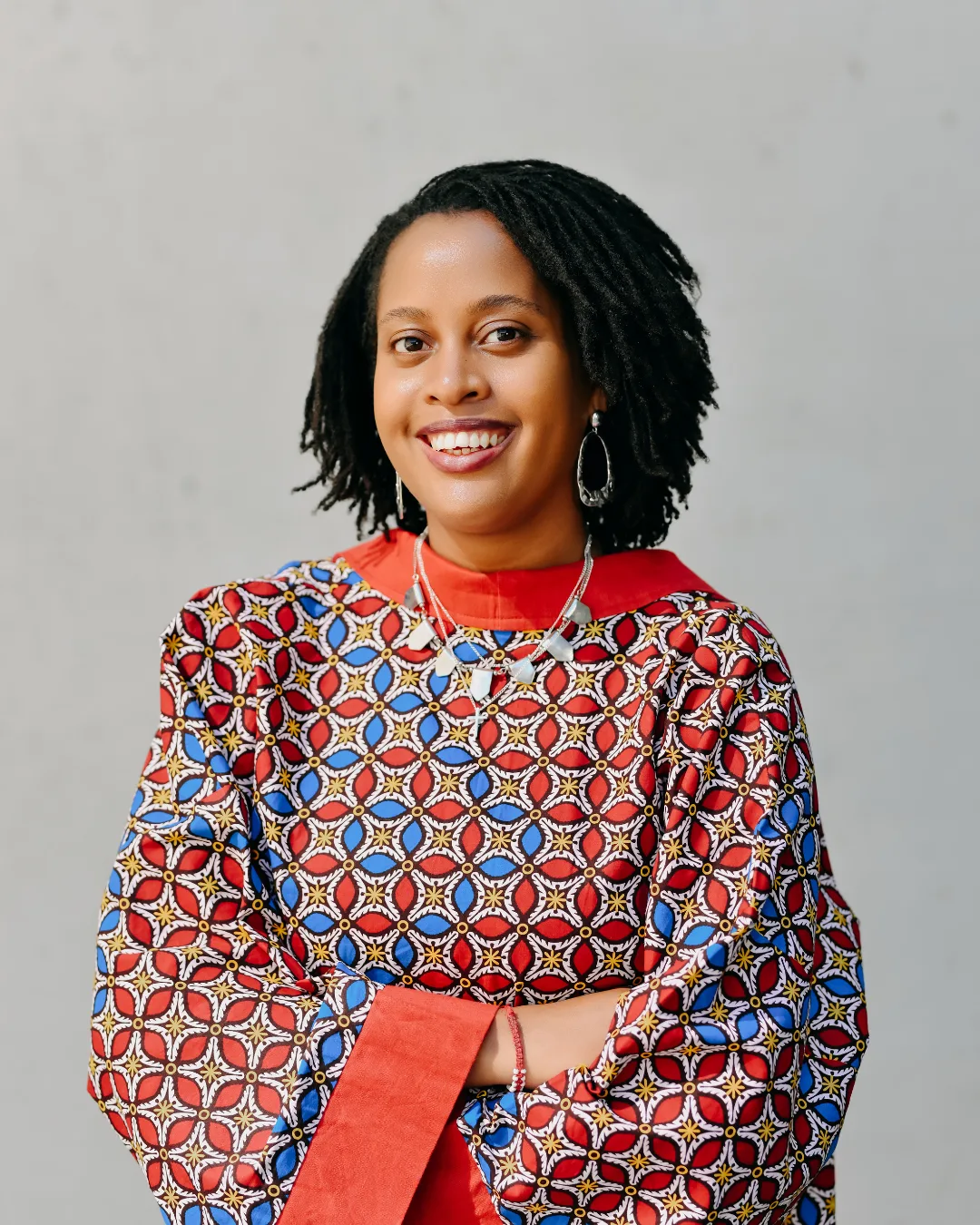
Bengi Rwabuhemba (b. 2000) is a Ugandan writer and researcher whose work focuses on the contemporary revitalization of Indigenous knowledge in postcolonial African societies. She holds a BA in Cultural Anthropology from Northwestern University, where she received the Corbin Prize for academic excellence, and an MSc in African Studies from the University of Oxford, where she was awarded an international bursary for her research on Indigenous African knowledge systems.
Over the past four years, her research has examined the relationship between decolonial knowledge production and cultural revitalization. More specifically, how cultural heritage is being reclaimed in ways that challenge dominant historical narratives and knowledge systems, asserting epistemic sovereignty. More recently, her work has turned toward the arts, exploring how art, through both medium and thematic engagement, functions as a critical vehicle for cultural revitalization. Her forthcoming monograph, Thinking from Uganda: The Life and Practice of Fred Mutebi, to be published in the ARAK Collection, marks her first sustained investigation into this phenomenon.
Beyond academia, Bengi is an active arts advocate. She previously worked as a Student Associate at The Block Museum of Art in Evanston, Illinois, where she led regular ArtTalks that convened students, faculty, and community members in critical dialogue around art. Her subsequent work as a teacher at the African Leadership Academy in Johannesburg further deepened her interest in curation as a mode of knowledge production. Together, these experiences have shaped her pedagogical approach grounded in dialogue and the cultivation of “light-bulb moments”—instances in which art enables new ways of seeing and understanding the world.
Bengi weaves her scholarly interests with her passion for the arts through writing, which serves as her primary medium of artistic expression. She writes long-form essays and short fiction and is currently working on her first novel. She is an alumna of the 2025 CANEX Creative Writing Workshop, the 2025 African Writers Trust Writers-in- Residence Programme, and the inaugural 2025 Tender Visions Commissioning Programme.
Dr Phokeng Setai
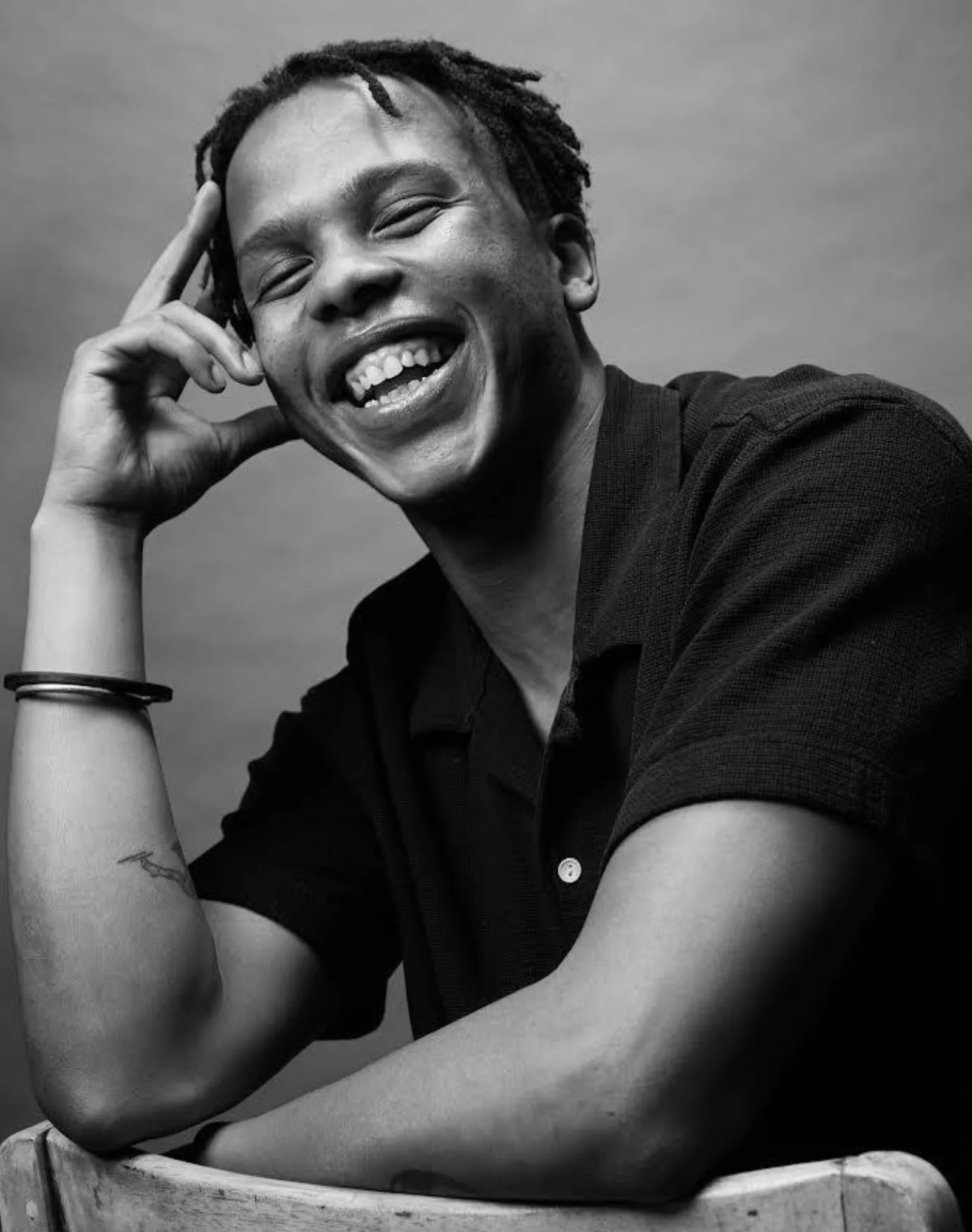
Dr Phokeng Setai is a curator and writer whose work engages contemporary art through both scholarly research and exhibition-making. With a sharp eye for emerging modes of cultural production, his practice considers how curatorial strategies shape knowledge production, pedagogy, and public engagement within African contexts.
In early 2024, he completed a PhD in Anthropology at the University of the Western Cape, based at the Centre for Humanities Research. His doctoral research examined contemporary African curatorial strategies and pedagogies, focusing on the relationship between exhibition-making and critical inquiry.
Prior to joining Zeitz MOCAA, Dr Setai served as Curator at Norval Foundation in Cape Town. There he curated Witness of My Time (2023–2024), a solo exhibition by Malian artist Famakan Magassa. He has participated in international curatorial programmes including RAW Material Company (Dakar), Independent Curators International (New York), Fundación Sandretto Re Rebaudengo (Madrid), and G.A.S. Lagos, experiences that inform his transnational outlook.
Dr Setai is co-founder of Exhibition Match, an initiative that draws on the culture of football to create new audiences for contemporary art through socially engaged formats. The project reflects his interest in interdisciplinary approaches and alternative modes of participation—a product of his belief that creativity thrives where disciplines collide.
In 2024, he joined Zeitz MOCAA as Assistant Curator, contributing to exhibitions, research, and public programming. His writing has appeared in The Thinker, The Sole Adventurer, ArtThrob and most recently, Africa Is a Country. His research interests include curatorial practice; contemporary art in relation to urbanism and architecture; experimental music and sound ecologies; design; and the cultural infrastructures that sustain artistic production on the Continent.
Dr Greer Valley
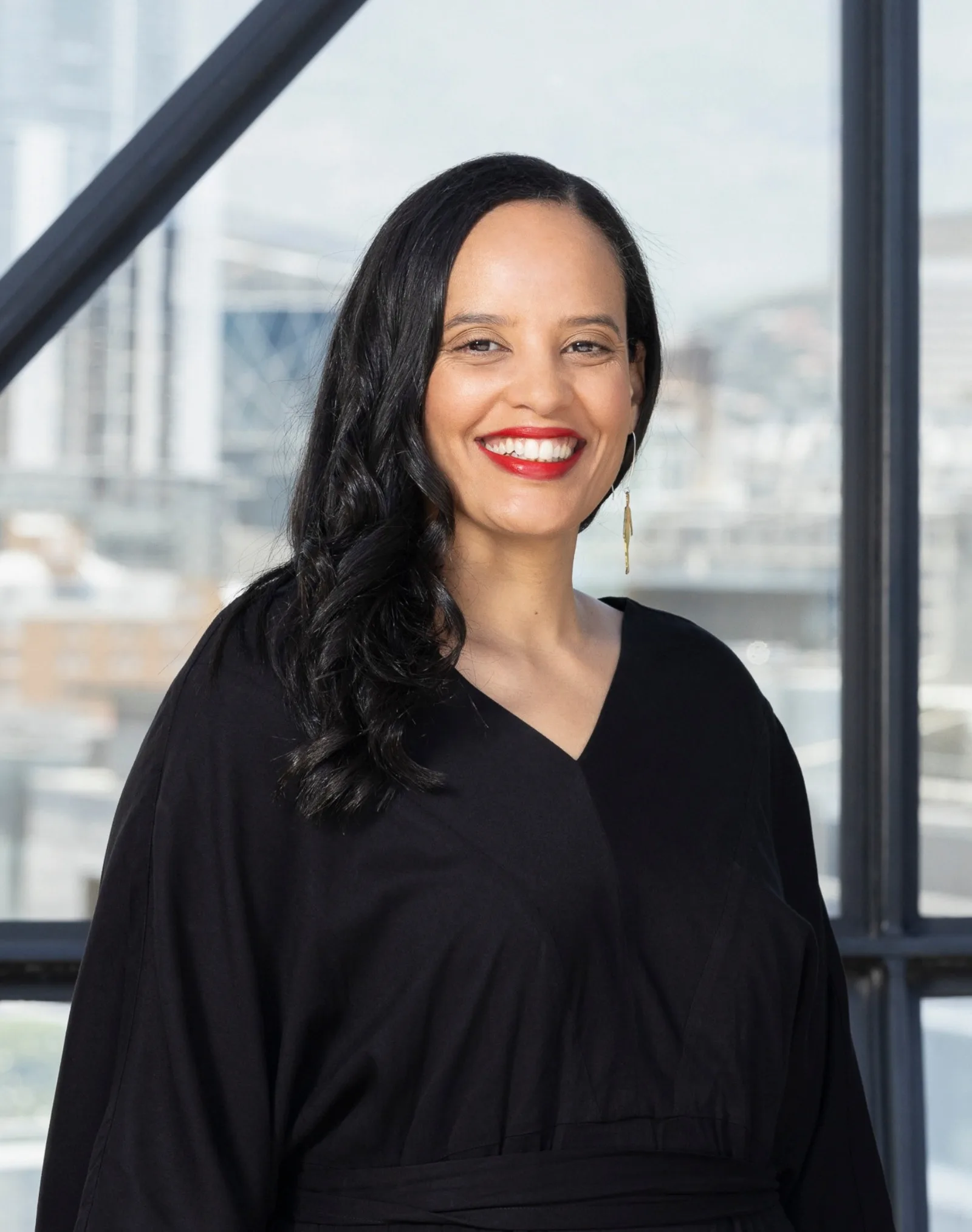
Dr Greer Valley is a scholar, curator, and writer whose work bridges museums and universities to advance inclusive knowledge production and public dissemination of arts discourse and practice. Her work focuses on decolonial pedagogy, museum ethics, and curatorial practice, presented nationally and internationally. Her ongoing research interrogates the representation of African colonial histories in institutional and exhibitionary contexts, with a focus on how museums can enact forms of repair.
As Zeitz MOCAA Senior Curator & Head of Curatorial Affairs, Dr Valley leads exhibitions, research, and public programmes focused on the art of Africa and its diasporas. She also serves as Deputy Chairperson of the Africa South Arts Initiative (ASAI) and sits on the board of the District Six Museum.
Her writing has appeared across international platforms and publications, including Africa Is a Country, Mail & Guardian, and in Routledge’s Companion to African Diaspora Art History. Dr Valley’s recognitions include the University of the Witwatersrand Chancellor’s Female Academic Leadership Fellowship (2024), the Getty Foundation’s MAHASSA Fellowship (2019–2020), and the University of Cape Town ICA Curatorial Fellowship (2018). In 2022, she curated Unsettled as a guest curator at the Dak’Art Biennale in Dakar, Senegal.
She holds a PhD in Art Historical Studies, a Master’s in Visual Art, an Honours degree in Visual Studies, and a Bachelor’s degree in Architecture.
Zeitz MOCAA’s exhibition and curatorial programming is generously supported by the Mellon Foundation and BMW South Africa.